
What Factors Influence the Cost of Homeowners Insurance?
Homeowners insurance isn’t one-size-fits-all, and neither is its price. In Michigan, several key factors determine how much you’ll pay for coverage — and understanding them can help you make smarter decisions when working with your insurance agency.
1. Location, Location, Location
Where your home is located plays a major role. Homes in areas prone to flooding, severe storms, or high crime rates typically cost more to insure. Rural properties might also face higher premiums due to limited access to emergency services or unique risks like outbuildings and farm equipment.
2. Home Characteristics
The age, size, and construction materials of your home affect your premium. Older homes may have outdated wiring or plumbing, increasing risk. Meanwhile, homes built with fire-resistant materials or newer construction standards may qualify for discounts.
3. Coverage Limits and Deductibles
The more coverage you choose — for dwelling, personal property, liability, and additional living expenses — the higher your premium. But raising your deductible (the amount you pay out-of-pocket before insurance kicks in) can lower your monthly cost.
4. Claims History
If you’ve filed multiple claims in the past, insurers may see you as a higher risk. Even claims from previous owners can sometimes affect your rate, depending on the insurer’s underwriting practices.
5. Safety Features and Upgrades
Installing smoke detectors, security systems, sump pumps, or storm shutters can reduce your premium. Some insurers offer discounts for smart home technology or energy-efficient upgrades.
6. Credit Score and Insurance Score
In Michigan, insurers may use your credit-based insurance score to help determine your rate. A higher score often leads to lower premiums, so maintaining good credit can pay off in more ways than one.
Related News

54th Annual America & Me Essay Contest
Three students from Calhoun Christian School have been named local winners in the 54th annual…
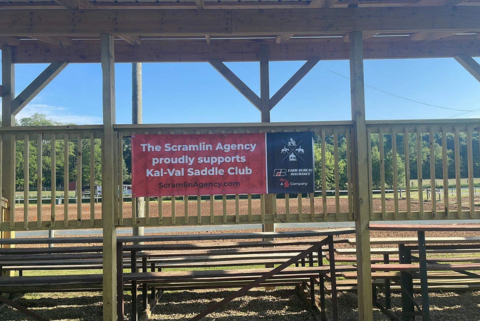
Kal-Val Saddle Club Sponsorship
Our agency is a proud sponsor of Kal-Val Saddle Club.
3 Things Every Horse or Farm Owner Should Know
Finding the right agent, the right coverage, and maintaining your policies has never been more…